Phone:
+36 30 164 5815
Email:
info@okosarnyek.hu

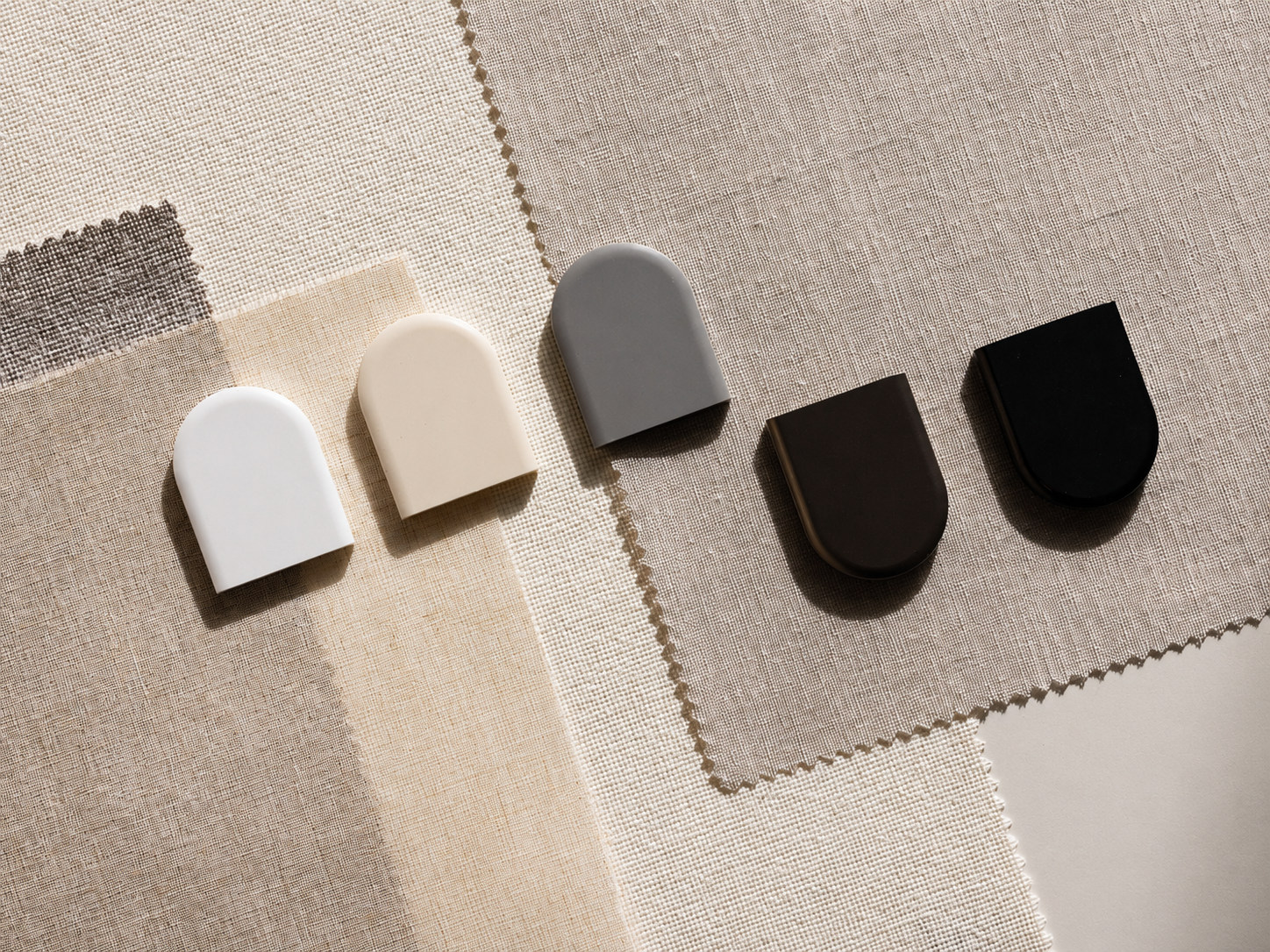
Choosing an indoor shade is rarely just a matter of taste. We have gathered what is worth considering, from window design, mounting location, and lighting conditions to operation and maintenance — to make the survey faster and more accurate.
Choosing an indoor shade is rarely just a matter of taste. The same window requires a completely different solution in a south-facing living room and in a north-facing bedroom, and the decision is influenced by the mounting location, the properties of the fabric or slats, the method of operation, and how well the system can be maintained in the long term. Below, we summarize the criteria worth considering before the on-site survey — this way, the consultation will be faster, and we can prepare a more accurate quote.
The first and most frequently underestimated question is where and how the structure will be mounted. Depending on on-site conditions, indoor shades can be mounted on the wall above the window, on the ceiling, in the opening, in front of the entire window, or, with the right system, directly onto the window frame.
When choosing the appropriate mounting method, window handles, opening sashes, window sills, ceiling design, and available mounting space must be taken into account. For larger shades, selecting the proper tube, mounting bracket, and operating mechanism is a separate consideration to ensure the fabric runs properly in the long term.
Taking measurements is closely related to this. Indoor shades are custom-made, and when determining the exact size, not only the width and height of the window must be considered, but also the total size of the structure, the actual width of the fabric, and the chosen mounting method. Typical consequences of improper measurement: the fabric does not cover the opening properly, the structure does not fit in the available space, the shade obstructs the opening of the window, the fabric touches the handle or window sill, or the desired privacy protection cannot be provided.
The second topic is what we expect from the shade during use. These are three distinct needs, and the same product does not always perform best for all three.
You can choose between translucent, blackout, and heat-reflective materials, and for the decision, it is worth clarifying whether the room requires diffused light, dimmed light, or the most complete blackout possible. It is important to know that not every product type is capable of complete blackout: with slatted solutions, light can enter the room between the slats, at the cord holes, and along the edges of the structure.
The degree of privacy protection is a consideration to be planned separately and is not identical to blackout. A different solution is justified for a ground-floor, street-facing window than for an upper-floor window facing a garden — and daytime and evening privacy also behave differently.
Thermal protection expectations primarily depend on orientation and window size. On the interior side, the fabric structure also matters: honeycomb-designed, Duette-type pleated fabric, for example, can provide more favorable thermal properties. If heat load is the main problem, it is also worth discussing during the survey whether the indoor solution is sufficient on its own or should be supplemented with outdoor shading.
The method of operation is decided by the frequency of use and the accessibility of the window. For hard-to-reach, high-positioned, or large-sized shades, motorized operation is not just a question of convenience: smooth movement of the structure also affects the lifespan of the fabric.
If you are considering a motorized system, it is worth clarifying the possibility of electrical preparation before the survey, as well as whether you want remote, wired, or automated control. Shades can also be integrated into smart home systems, but the controls and accessories required for this must be planned together with the product — retrofitting is typically significantly more cumbersome.
Appearance is determined together by the color and pattern of the selected material and the lighting conditions of the room. Two practical tips help avoid disappointment:
With natural materials — such as bamboo slats — minor variations in color, grain, thickness, and surface may occur; individual slats are not entirely identical in every case. Changes in temperature and humidity can cause minor changes in size or shape, and with very wide or tall products, slight bending of the slats may also occur. This is not a defect, but a natural characteristic of the material — but it is good to know in advance.
The shade remains usable in the long term if its maintenance requirements match the use of the room. Fabric surfaces can typically be kept clean with regular, gentle dusting: with a soft duster, a vacuum cleaner set to low power, or a clean, slightly damp cloth. Vigorous rubbing, aggressive detergents, high temperatures, soaking, or machine washing are generally not recommended — unless the manufacturer's instructions for the given material explicitly allow it. The exact method of cleaning always depends on the chosen fabric.
In addition, proper functioning includes everyday use: smooth raising and lowering, proper use of the control chain, avoiding fabric creasing and sideways movement, periodic checking of cords and structure, and for motorized systems, the correct setting of limit switches and controls.
Finally, it is worth thinking about future repairability when choosing: the availability of spare parts, the compatibility of motors and controls, and whether the system can be expanded later. The most expensive or complex solution is not best in every case — a good system is one that meets real usage needs, is technically justified, and operates reliably in the long term.
This information helps a lot even during the online or telephone consultation. You can also send photos, approximate dimensions, a floor plan, or technical documentation — from these, we can determine whether online advice is sufficient or if an on-site survey is needed for accurate planning.
Our professional advice is free of charge and carries no obligation to purchase. The on-site survey is free within Budapest; for nationwide addresses outside Budapest, it is available based on an individual calculation — we will inform you about the terms before booking an appointment.
If you would like to discuss your windows, contact us on the Contact page, phone +36 30 164 5815 or email info@okosarnyek.hu on this address.